Carbo-PNG

Vitamin K

Brain health is the foundation of memory, focus, and emotional well-being, relying on proper nutrition, hydration, and mental stimulation

Top Food Sources of Vitamin K1

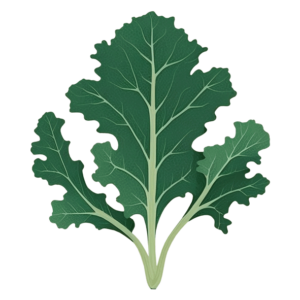
Kale (Raw or Cooked)
One of the richest sources of vitamin K1, essential for blood clotting and bone health.
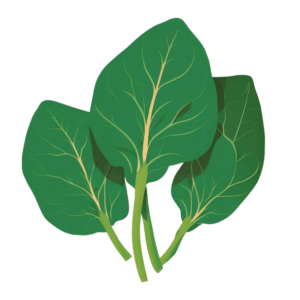
Spinach (Raw or Steamed)
Packed with vitamin K1, supporting heart and bone health while also aiding in blood coagulation.
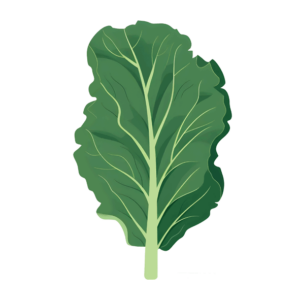
Collard Greens (Cooked)
Extremely high in vitamin K1, promoting proper blood clotting and reducing inflammation.

Broccoli (Steamed or Roasted)
Provides a good amount of vitamin K1 while also delivering fiber and antioxidants for overall health.
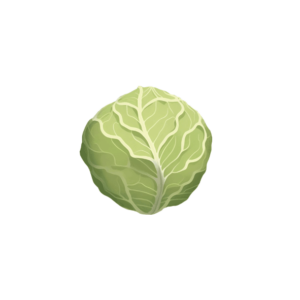
Brussels Sprouts (Roasted or Boiled)
Contains significant vitamin K1, essential for bone metabolism and cardiovascular function.

Parsley (Fresh or Dried)
A concentrated source of vitamin K1 that helps in proper blood clotting and wound healing.

Romaine Lettuce (Raw)
A hydrating leafy green rich in vitamin K1, beneficial for circulation and bone strength.

Green Beans (Steamed or Sautéed)
A good plant-based source of vitamin K1, supporting healthy blood flow and clotting functions.

Asparagus (Grilled or Steamed)
Offers a moderate amount of vitamin K1, along with fiber and antioxidants for digestive health.
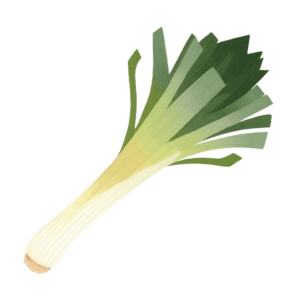
Leeks (Sautéed or Roasted)
A lesser-known source of vitamin K1 that supports cardiovascular and bone health.

  • Essential for Blood Clotting – Vitamin K1 plays a crucial role in the production of clotting factors, preventing excessive bleeding.
  • Mostly Found in Greens – Dark leafy greens like kale, spinach, and collard greens are the richest sources of Vitamin K1.
  • Fat-Soluble Vitamin – Since it’s fat-soluble, consuming it with healthy fats (like olive oil or nuts) enhances absorption.
  • Supports Bone Health – Helps activate proteins that regulate bone mineralization, reducing fracture risk.
  • Sensitive to Light & Heat – Vitamin K1 degrades when exposed to prolonged heat, light, and oxygen, so fresh greens retain more.
  • Can Interact with Medications – Blood thinners like warfarin work by inhibiting Vitamin K1, so consistency in intake is important for those on anticoagulants.
  • Gut Bacteria Play a Role – While K1 comes from food, gut bacteria can also convert some of it into Vitamin K2, which has additional benefits.
  • Not Stored in Large Amounts – Unlike some other fat-soluble vitamins, Vitamin K1 is not stored extensively in the body and needs regular intake.

Top Food Sources of Vitamin K2

Natto (Fermented Soybeans)
One of the richest sources of Vitamin K2, particularly in the MK-7 form, which is highly bioavailable.

Hard Cheeses (Gouda, Cheddar, Parmesan)
Contains Vitamin K2 in the MK-4 and MK-7 forms, supporting bone and cardiovascular health.
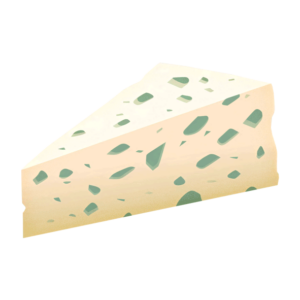
Soft Cheeses (Brie, Camembert, Blue Cheese)
Provides a moderate amount of Vitamin K2, aiding calcium metabolism.

Egg Yolks (Chicken, Duck, Quail)
Contains MK-4, a form of Vitamin K2 beneficial for bone and heart health.

Butter (Grass-Fed Preferred)
Grass-fed butter has significantly higher Vitamin K2 content than conventional butter.
Chicken (Dark Meat, Liver)
A good dietary source of MK-4, which contributes to calcium regulation in the body.

Beef Liver (Grass-Fed Recommended)
Rich in MK-4, an important form of Vitamin K2 for bone and cardiovascular health.

Pork (Chops, Bacon, Sausage)
Contains MK-4, contributing to better calcium absorption and utilization.

Goose Liver (Foie Gras)
One of the highest animal-based sources of Vitamin K2 in the MK-4 form.
Salami (Cured Meats)
Contains moderate amounts of Vitamin K2 but should be eaten in moderation due to high sodium content.

  • Essential for Bone Health – Vitamin K2 helps direct calcium to bones and teeth, reducing the risk of osteoporosis.
  • Supports Heart Health – It prevents calcium buildup in arteries, lowering the risk of heart disease.
  • More Bioavailable than K1 – K2 stays in the bloodstream longer than K1, making it more effective for calcium regulation.
  • Comes in Different Forms – The most common forms are MK-4 (found in animal foods) and MK-7 (found in fermented foods).
  • Produced by Gut Bacteria – Some gut bacteria can produce small amounts of Vitamin K2, but not enough to meet daily needs.
  • Often Lacking in Modern Diets – Many people don’t get enough K2 due to decreased consumption of organ meats and fermented foods.
  • Works with Vitamin D – Vitamin K2 and D3 work together to ensure calcium is used properly in the body.
  • Found in Fermented Foods – Natto, a Japanese fermented soybean dish, is the richest known source of Vitamin K2.

Liver

Skin

Heart

Digestion